
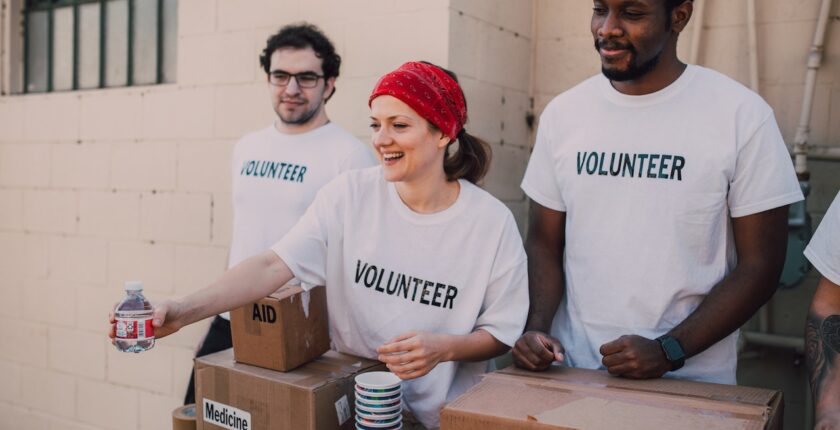
What are the Benefits and Reasons for Volunteering?
One of the most valuable gifts you can give your community when it comes to living an altruistic life that can help make a difference for others is the gift of volunteering. Volunteering is an extremely important way to give back, even today’s Coronavirus climate. There are numerous advantages to volunteering. It can give your life meaning and purpose while increasing your self-esteem and well-being. Volunteering can improve your relationships as well as have a positive impact on your community. Charity Job Board is the best website for finding work opportunities in the charity field.
While volunteering benefits others, it can also be extremely rewarding for you in ways you may not have considered. Here are the top ten advantages of volunteering.
Why Volunteer?
With our hectic schedules, it can be difficult to find time to volunteer. Volunteering, on the other hand, can have enormous benefits. Volunteering benefits people in need, worthy causes, and the community, but the benefits to you, the volunteer, can be even greater. The right match can assist you in making new friends, connecting with your community, learning new skills, and even advancing your career.
Giving to others can also help you keep your mental and physical health in check. It can alleviate stress, combat depression, keep your mind stimulated, and give you a sense of purpose. While it is true that the more you volunteer, the more benefits you will receive, volunteering does not have to be a long-term commitment or consume a significant amount of your time. Even small acts of kindness can benefit those in need while improving your health and happiness.
- Provides a sense of purpose
People frequently complain that their routines lack a “sense of purpose.” Volunteering keeps you physically and mentally stimulated, distracts you from your worries, and adds something new and meaningful to your life. When older adults, including those who have retired and are feeling lost or bored, start helping others, they can gain new perspectives. Finally, regardless of your age or stage of life, supporting a cause you believe in allows you to feel connected to something larger than yourself.
- Make new friends and build community
When you volunteer, you strengthen your community and social network. You form bonds with the people you assist and friendships with other volunteers. Volunteering strengthens relationships between friends, family, and coworkers. When people work together, they form closer bonds, stronger connections, and more powerful attachments to one another. Try volunteering if you want to make deeper connections with other people. You could live a longer and happier life.
- Teaches you valuable skills
Volunteering can help you learn new skills and improve on those you already have by providing training and hands-on experience. For example, suppose you advocate for a cause that interests you and raises awareness or funding for it. In that case, you will gain valuable communication, public speaking, marketing, and other hard and soft skills. You can then include these skills on your resume to demonstrate to employers how you build relationships outside of work and any personal interests that distinguish you from other candidates.
- Understanding other ways of life
Volunteer programs can allow you to bring people into your social network who you would not otherwise meet and learn from people from different walks of life. Volunteering may introduce you to a new area of your community that you have never visited before. This experience can help you better understand people who are different from you.
Learning about cultures and ways of life that are not similar to your own will increase your social flexibility and broaden your worldview. It will also improve empathy and teamwork skills, as well as raise awareness of the issues that other people face.
- Increase brain functioning
Volunteering has been shown to improve problem-solving abilities, and long-term and short-term memory and lower your risk of developing age-related diseases such as Alzheimer’s. Each volunteer opportunity has its own set of tasks, some of which may require you to learn new skills and push yourself. This means you’ll keep your brain active and limber!
- Increases Socializing
The social benefits of volunteering are immediate and long-lasting. According to Psychology Today, social interaction improves both mental and physical health. Consistent socialization has been shown to improve brain function and lower the risk of depression and anxiety. You also strengthen your immune system.
- Increases physical activity
The majority of volunteer work involves some form of physical activity, promoting good health. Whether you’re handing out flyers on the street or organizing an event for your town’s retirement home, you’ll be on the move. This will undoubtedly improve your physical well-being. While different volunteer charity jobs necessitate varying activity levels, the bottom line remains the same—your body will thank you. According to studies, volunteers are as healthy as non-volunteers five years younger.
- Improves Self-Esteem
Teens and young adults who volunteer gain self-esteem, confidence, and feelings of worth. Consider the advantages of volunteering today when both girls and boys struggle with low self-esteem. Consider the benefits of volunteering for teenagers and young adults suffering from eating disorders, social anxiety, or depression. Volunteering could change your life (and life-saving).